

Hot Dip Spinning Galvanizing
Expert corrosion protection for lasting durability.
HotDip Spinning Galvanizing
Hot dip spinning galvanizing is hot dip galvanizing — the same immersion in molten zinc at around 450 °C, applied by centrifuge so it works on small components. Cleaned steel is dipped, the zinc alloys into the surface, and the basket is spun the moment it leaves the kettle so excess zinc is thrown off before it solidifies.
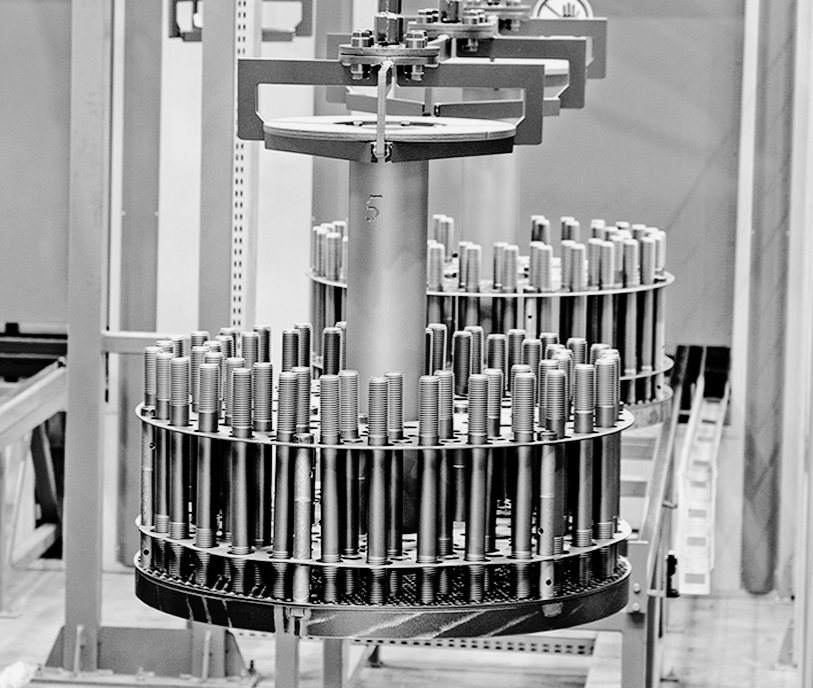
That extra step is what keeps threads assembling, holes clear and coverage even on bolts, nuts, washers and fittings, without giving up any of the thickness or service life a hot dip coating is specified for. Everything is processed in-house at our Nigel, Gauteng facility, with nationwide collection and delivery arranged on request.
- Process
- Hot dip + centrifuge
- Best for
- Bolts, nuts, fittings
- Coverage
- Even, no pooling
- Environment
- Outdoor & structural
Excellent Corrosion Resistance
Provides a thick, durable zinc coating for long-term protection.
Perfect for Small or Threaded Parts
Spinning removes excess zinc for clean, functional threads.
Self-Healing Properties
Zinc layer protects even if the surface is scratched.
Ideal for Fasteners & Fittings
Reliable corrosion protection across high-volume hardware.
Why It Matters
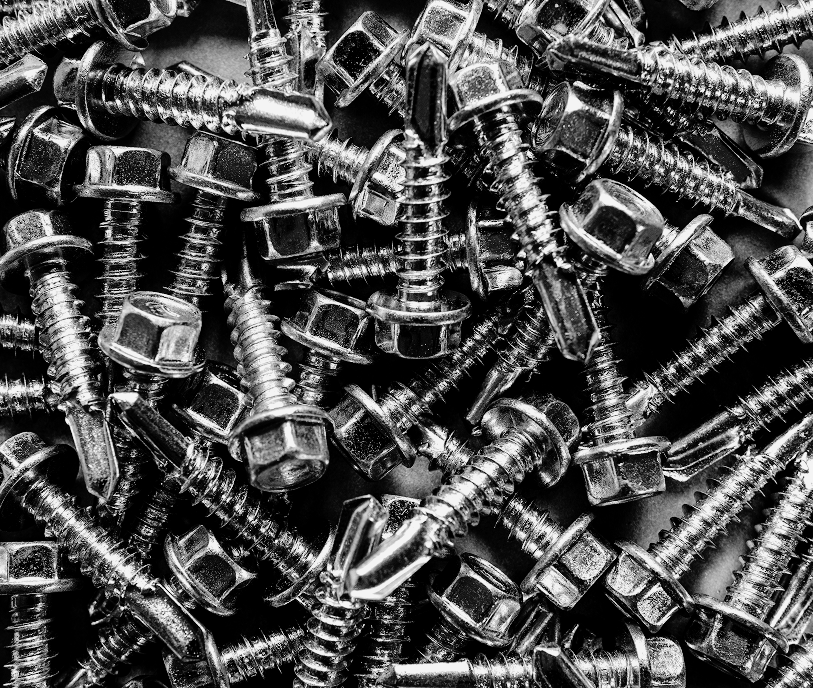
Hot Dip Spinning Galvanizing is essential for protecting small, threaded, or intricately shaped metal parts. It offers superior corrosion resistance by forming a tough, zinc coating that bonds to the surface, while the spinning process ensures excess zinc is removed—leaving threads clean and functional. This makes it a reliable, long-lasting solution for fasteners and components used in harsh or demanding environments.
Hot Dip Galvanizing vs Spin Galvanizing
They are the same process. Hot dip galvanizing means immersing cleaned steel in a bath of molten zinc at around 450 °C, where the zinc reacts with the steel to form a series of zinc-iron alloy layers that are metallurgically bonded to the substrate rather than sitting on top of it. Spin galvanizing — also called centrifuge galvanizing — is that same hot dip process with one extra step for small components.
When bolts, nuts, washers and fittings come out of the kettle, molten zinc pools in threads, recesses and internal profiles. Spinning the basket at high speed the moment it leaves the zinc throws that excess off before it solidifies, so threads still assemble, holes stay clear and coverage stays even across every face. That is why spin galvanizing is the standard route for hardware, while large fabrications, structural steel and long sections are dipped and drained without spinning.
Coating thickness follows the hot dip norms — typically in the 40–85 µm range on fasteners, in line with what SANS 121 / ISO 1461 expects for components of that size — and because the layer is thick and alloy-bonded, service life outdoors is routinely measured in decades rather than years. The coating is sacrificial too: exposed steel at a cut edge or scratch is still protected by the surrounding zinc.
Suitable substrates are carbon and low-alloy steels and cast iron. If your parts are too large for our spinning baskets, are high-strength fasteners where hydrogen embrittlement is a concern, or need a tighter dimensional tolerance than a hot dip layer allows, tell us — zinc thermal diffusion or zinc electroplating is often the better call, and we will say so before you commit.
The Process, Step by Step
- 1
Clean & flux
Hardware is degreased, pickled and fluxed so the zinc wets the steel evenly.
- 2
Dip in molten zinc
Parts are lowered into the kettle where the zinc alloys with the steel surface.
- 3
Spin
Baskets are centrifuged the moment they leave the kettle, throwing off excess zinc before it sets.
- 4
Cool & inspect
Batches are quenched, inspected for coverage and thread fit, then packed.
Hot Dip Spinning Galvanizing FAQs
Other Services
All ServicesRack Electroplating
Components are individually racked and zinc plated for even coverage on complex or large parts up to 3 m.
Find Out MoreBarrel Electroplating
Small parts tumble in a rotating barrel of zinc electrolyte — the fastest route to protect fasteners in volume.
Find Out MoreZinc Thermal Diffusion
Zinc is diffused into the steel itself, forming a zinc-iron alloy layer that cannot flake, chip or clog threads.
Find Out MoreGet a Hot Dip Spinning Galvanizing Quote
Send your part details and quantities and we come back with a costed quote, the recommended finish and a firm lead time — free and with no obligation.